After exploring how accents are perceived, evaluated and adapted, a final question remains: Why does all of this feel so personal? Accent is not just pronunciation. It is your linguistic biography. Among all features of language, accent may be the most intimate. Vocabulary can be learned from textbooks, grammar can be practiced and […]
Continue readingCategory Archives: Multilingual Families
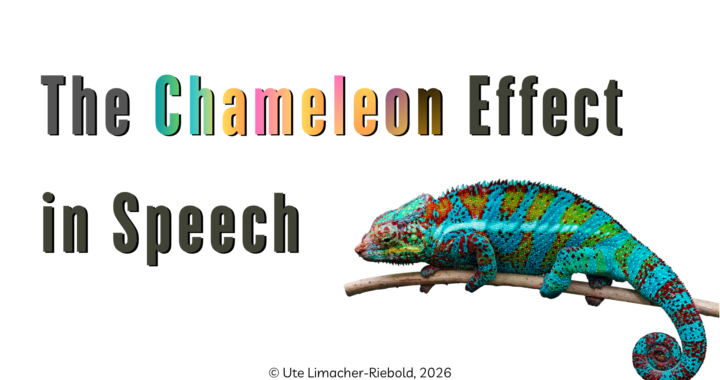
The Chameleon Effect in Speech: How Voices Adapt to Belong
Have you ever noticed that you sound different depending on who you’re talking to? When certain ways of speaking are consistently valued more than others, speakers rarely remain unaffected. Instead, many begin to adjust to their social environment. A person may pronounce certain words differently at home than at work. A student may sound one […]
Continue reading
Language, Shame, Guilt and Anxiety: When Speaking Hurts
When we make a language mistake, we may feel uncomfortable. This discomfort can be productive. It can lead to reflection, correction and even growth. But sometimes what emerges is not discomfort, it is shame. And sometimes it is anxiety or guilt. These experiences are related, but they are not the same. Language Guilt and Language […]
Continue reading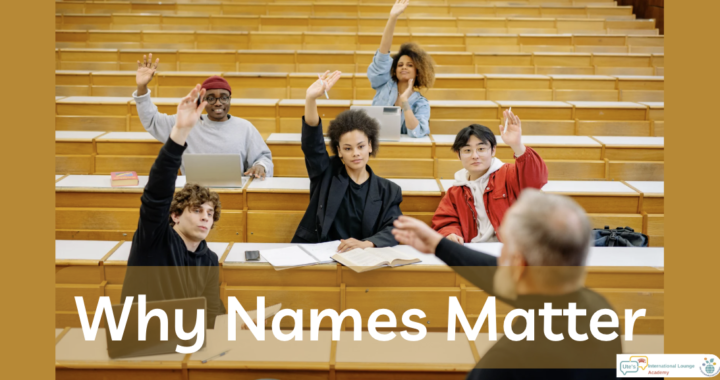
Why Names Matter: Accurate Pronunciation Signals Inclusion and Respect
Practical strategies for educators, multilingual families, and policymakers to honor identity through name pronunciation.
Continue reading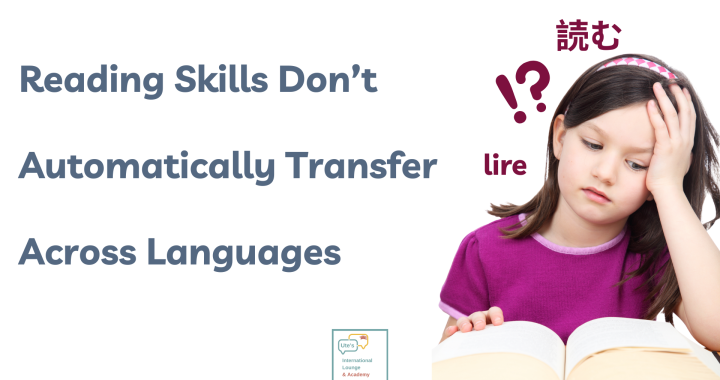
Why Reading Skills Don’t Automatically Transfer Across Languages
A persistent belief in literacy education is that “once a child can read, they can read any language”. Decades of cross-linguistic research show that this assumption is misleading (e.g. Seymour, Aro & Erskine, 2003; Share, 2008). The way we learn to read is deeply shaped by the architecture of writing systems. Alphabetic scripts like English, […]
Continue reading