

What happens when multilinguals shift language? The process of language shift, also known as language transfer or language replacement or language assimilation, is when a community of speakers of a language shifts to speaking a completely different language, usually over an extended period of time. From a historical perspective, this happened for example when in the now France shifted […]
Continue readingCategory Archives: Dominant Language Constellation
Language scenarios for multilingual children growing up abroad
There are numerous language scenarios for multilingual children living abroad, i.e. outside of both, or one of their parents countries of provenance (or origin), since there are many different degrees of fluency for the single languages spoken at home, language preferences, and languages might be mixed within the home. Parents might speak the community and/or […]
Continue reading
5 Stages of Additional Language Acquisition
When children learn another language after having acquired their first language or languages, they go through different stages that can vary from child to child and depend of how similar the additional language is to those the children already know. This infographic shows 5 stages that 3 to 8 year olds can go through when […]
Continue reading
What is your maths language?
When our children are schooled in another language since the beginning, their most dominant language for counting and doing maths is the school language.
Continue reading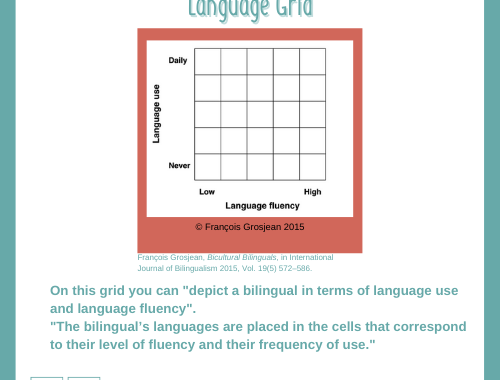
When the home language is not the dominant language
If you are a multilingual, is your home language your most dominant language? Something that surprises me when I read about language policies in schools and elsewhere is, that it is always assumed that people – children and adults – are most proficient, i.e. most fluent, in their home language. This might be correct for […]
Continue reading