
Practical strategies for educators, multilingual families, and policymakers to honor identity through name pronunciation.
Continue readingCategory Archives: Intercultural Communication
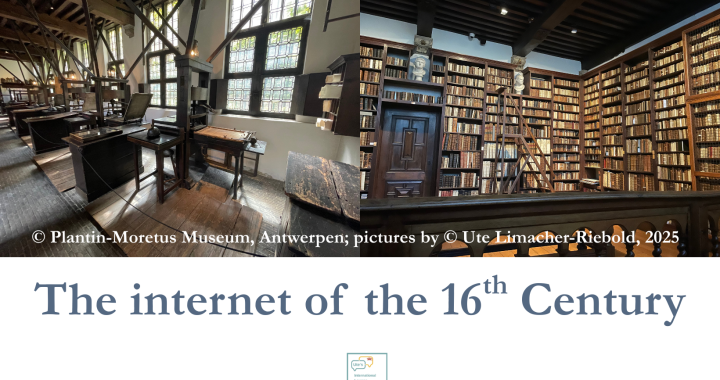
The Internet of the 16th Century
When we think of the internet today, we imagine a network that connect people, ideas, knowledge across the globe. In the 16th century, however, a different but equally informative network emerged in Europe: the printing press. For the first time in European history, texts could be reproduced quickly and distributed widely, connecting scholars, merchants and religious communities across borders.
Continue reading
How to Handle Interruptions in Intercultural Communication
How can we handle interruptions in intercultural communications?
Continue reading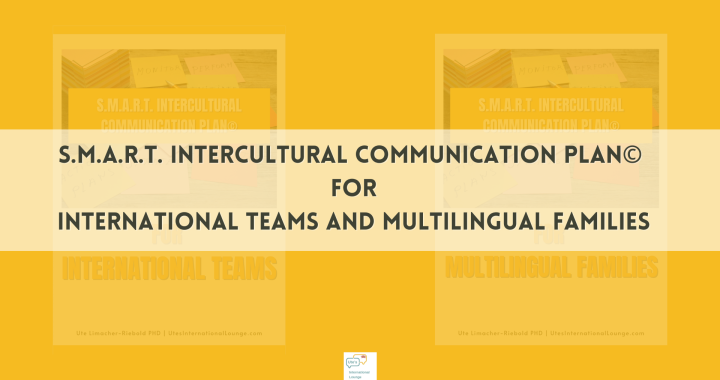
Ute’s S.M.A.R.T. Effective Intercultural Communication Plan© for International Teams and Multilingual Families
Effective intercultural communication is more important than ever.
Whether you’re part of an international team at work or an international family where each parent speaks a different language, navigating cultural differences can be both challenging and enriching. At Ute’s International Lounge, we’re committed to helping you thrive in these diverse environments. That’s why we’ve developed a S.M.A.R.T.* Intercultural Communication Plan© tailored to the unique needs of international teams and families.
Continue reading
Communication in Exogamous Families
Every international family is unique. There are many different kinds of international families, when you read about them. Some partners come from the same country or share the same language and citizenship, others are from different countries, ethnicities and speak different languages. In exogamous multilingual families, partners come from different cultural and linguistic backgrounds and experience unique dynamics in communication.
Continue reading