
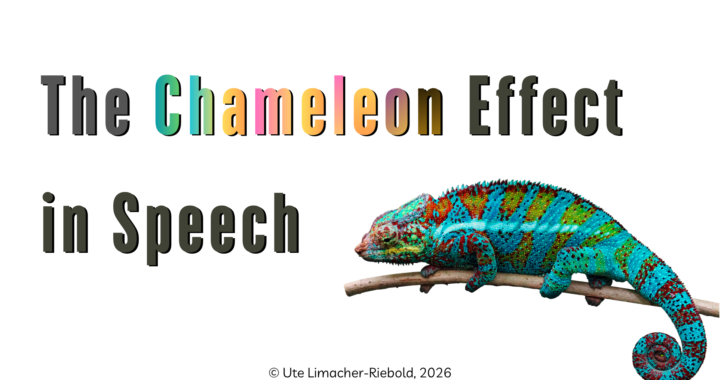
Have you ever noticed that you sound different depending on who you’re talking to? When certain ways of speaking are consistently valued more than others, speakers rarely remain unaffected. Instead, many begin to adjust to their social environment. A person may pronounce certain words differently at home than at work. A student may sound one […]
Continue readingCategory Archives: Multilingual

Accent Hierarchies: The Native Speaker Myth
1. What are We Reacting To? If listeners react so quickly to accents, an important question follows: What exactly are they reacting to? From a linguistic perspective, the answer is simple: variation. From a social perspective, however, the answer is more complex: hierarchy. No accent is inherently superior to another. Every variety of a language […]
Continue reading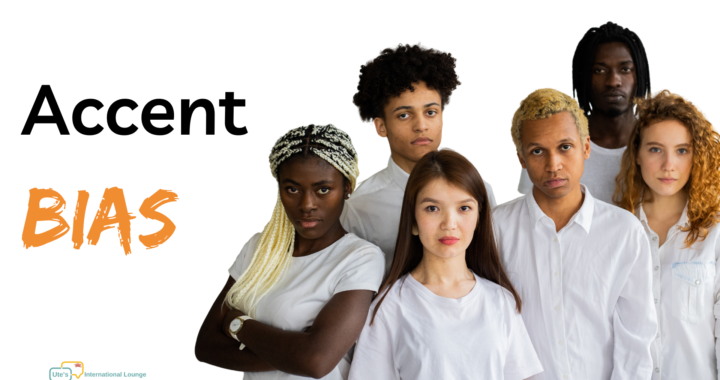
Accent Bias: How We Judge Voices Before We Understand Them
Have you ever wondered what happens in the moment right after understanding becomes difficult?In my article From ‘Zoning Out’ to Understanding: Rethinking Communication Across Accents, I explored what occurs when listeners ‘zone out’ while hearing an unfamiliar accent. This moment is often described as a problem of comprehension. But it rarely ends there. When understanding […]
Continue reading
Language, Shame, Guilt and Anxiety: When Speaking Hurts
When we make a language mistake, we may feel uncomfortable. This discomfort can be productive. It can lead to reflection, correction and even growth. But sometimes what emerges is not discomfort, it is shame. And sometimes it is anxiety or guilt. These experiences are related, but they are not the same. Language Guilt and Language […]
Continue reading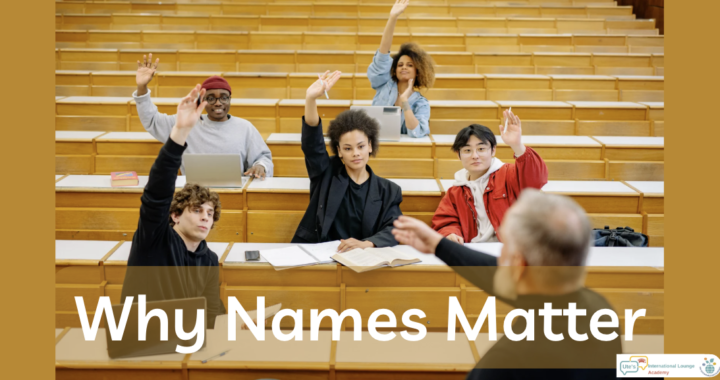
Why Names Matter: Accurate Pronunciation Signals Inclusion and Respect
Practical strategies for educators, multilingual families, and policymakers to honor identity through name pronunciation.
Continue reading