
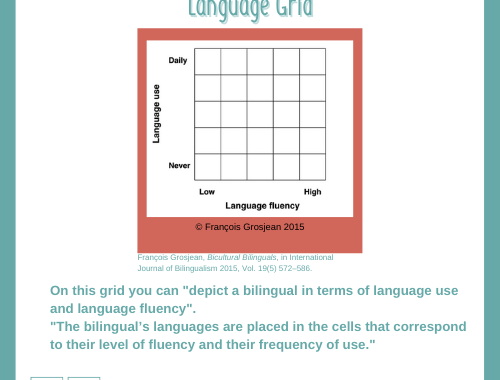
If you are a multilingual, is your home language your most dominant language? Something that surprises me when I read about language policies in schools and elsewhere is, that it is always assumed that people – children and adults – are most proficient, i.e. most fluent, in their home language. This might be correct for […]
Continue readingTag Archives: Multilingualism
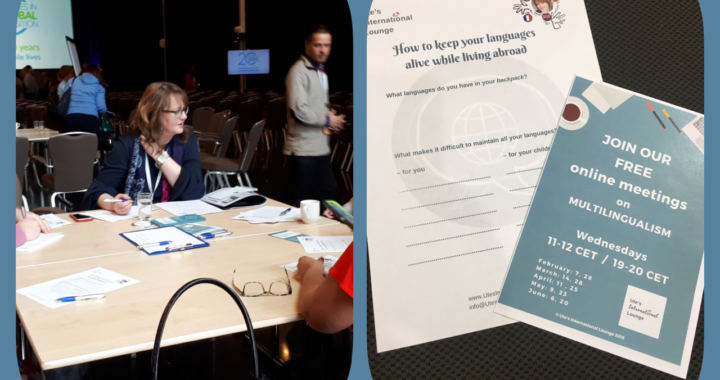
How to keep our languages alive while living abroad
At my kitchen table conversation– session I held at the 20th FIGT conference this year in The Hague I focused on the languages we collect during our life, and how we can keep them alive while living abroad, in different countries. Why kitchen table conversation? Because that’s where all began 20 years ago at Ruth van […]
Continue reading
Myths about Bilingualism/Multilingualism
This is a short (!) overview of some common myths about bilingualism/multilingualism – I will be updating this list in May/June 2024, so, if you came across any myths you want me to include, please let me know in the comments. They are all assumptions based on old theories about bilingualism and bilinguals (and multilingualism), […]
Continue reading
Language Assessments for Bilingual and Multilingual Children
Parents of multilingual children worry the most if their children will be able to keep up with all the languages and have a sufficient knowledge, proficiency, academically speaking, once they go to school. Schools do regular language and literacy assessments and even international schools tend to assess the school language only or at least also the dominant language – […]
Continue readingTestimonials
TESTIMONIALS WEBINARS Elckerlyc International School Leiden MULTILINGUAL FAMILIES – Consultations, Trainings and Workshops Sara & Nadar B. Den Haag My husband and I were concerned about our son who is 2 and barely speaks. We attended Ute’s workshop “Parenting the Bilingual Child” and had a consultation session with Ute, where we analized our situation in detail. […]
Continue reading