
1. What are We Reacting To? If listeners react so quickly to accents, an important question follows: What exactly are they reacting to? From a linguistic perspective, the answer is simple: variation. From a social perspective, however, the answer is more complex: hierarchy. No accent is inherently superior to another. Every variety of a language […]
Continue readingCategory Archives: Languages in the World
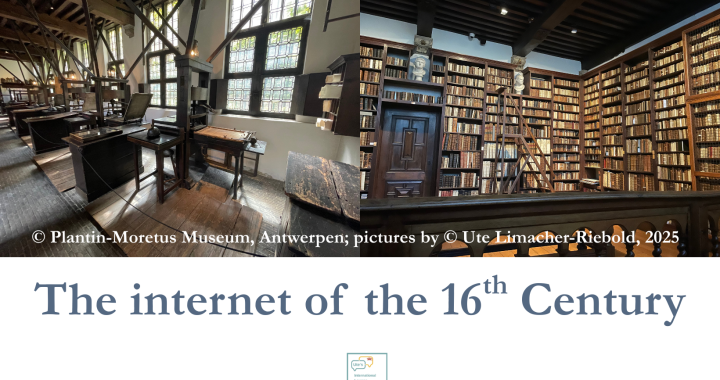
The Internet of the 16th Century
When we think of the internet today, we imagine a network that connect people, ideas, knowledge across the globe. In the 16th century, however, a different but equally informative network emerged in Europe: the printing press. For the first time in European history, texts could be reproduced quickly and distributed widely, connecting scholars, merchants and religious communities across borders.
Continue reading
Understanding Language Vitality: The EGIDS Framework and Real-World Examples
Many languages face the risk of endangerment or extinction, which makes preserving the world’s linguistic diversity a pressing challenge. The Expanded Graded Intergenerational Disruption Scale (EGIDS) builds on Fishman’s (1991) original GIDS model and consists of a 13-level scale that assesses the vitality and endangerment of languages based on their transmission across generations, institutional support, and societal use.
Continue reading