
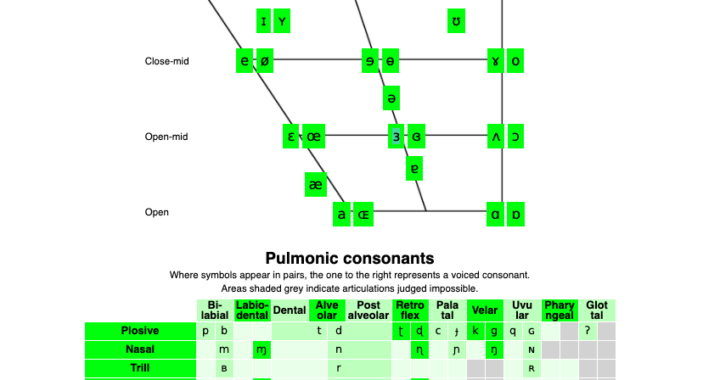
When we learn a new language as adults, we often struggle with articulating the sounds. What is relatively easy for children whose palate is still soft, becomes increasingly difficult the older we get. Usually, when children hit puberty, their palate hardens which makes it a bit more difficult for them to articulate new sounds. Against […]
Continue readingCategory Archives: Bilingualism

When parents should NOT speak their L1 with their children
Against the common advice, backed up by countless research that states that parents should speak their L1 – first language – with their children, it is time to explain why this is not always the best solution for multilingual parents. I think there is an important misunderstanding leading to many parents doubting about the decisions […]
Continue reading
Code Switching and Code Mixing
Before explaining how the terms of code-switching and code-mixing are used, what they mean, let’s have a look at the history of the term of code-switching. Where does the term of code-switching come from? The first one introducing the metaphor of a language switch, i.e. the changing from one language to another during a conversation, […]
Continue reading
新语言习得的5个阶段 / 5 Stages of additional Language Acquisition
If your child is acquiring Chinese as an additional language, you may find this infographic useful. Thanks to Yu Xun, a young intern at Ute’s International Lounge, and Amanda, owner of Miss Panda, my infographic 5 Stages of Additional Language Acquisition got translated into Chinese. Following an interesting discussion with some clients and members of my […]
Continue reading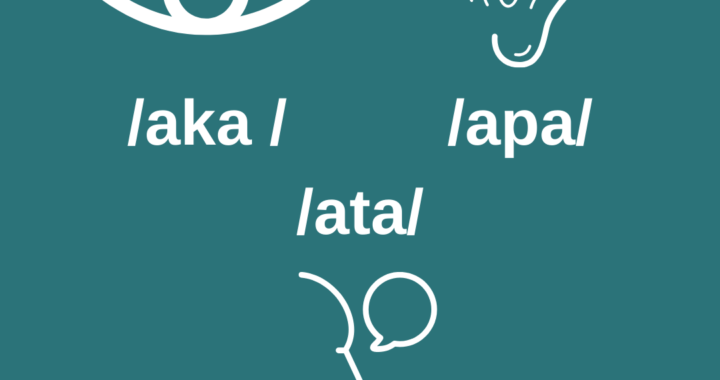
The illusion of sound and its meaning in language acquisition and learning
Sound is the most important medium we use when communicating – unless, of course, we use sign language. Most of us assume that the auditory signal is enough for others to understand us. Some people increase the volume to make sure they are “heard”. Most of my clients are surprised to learn that sound is […]
Continue reading