

Imparare un’altra lingua si può in modi diversi. Personalmente ho fatto l’esperienza che ascoltando musica aiuta molto a comprendere l’intonazione, ad apprendere vocabolario. Ed è un modo molto piacevole per imparare la lingua. Canzoni sono poesia. Le parole in rima ripetute più volte ed accompagnate dalla musica aiutano a memorizzarle meglio. Alcune canzoni hanno un […]
Continue readingCategory Archives: Bilingualism

What is your maths language?
When our children are schooled in another language since the beginning, their most dominant language for counting and doing maths is the school language.
Continue reading
Dutch language resources
The best way to learn Dutch is to fully immerse into the language and join the worldwide 23 million native speakers in the Netherlands, Flanders, Suriname, or the 4 million people who speak Dutch as a second or foreign language. You can also start with listening to a local radio (online), watch local TV, get in contact […]
Continue reading
Multilingualism is good for the economy
Multilingualism is not only good for our brain, our overall flexibility and open mindedness, it is also good for the economy. That countries like the UK with relatively “poor language skills” loses “the equivalent of 3,5% of its GDP every year” for exactly this reason whereas Switzerland, with its four national languages (German, French, Italian […]
Continue reading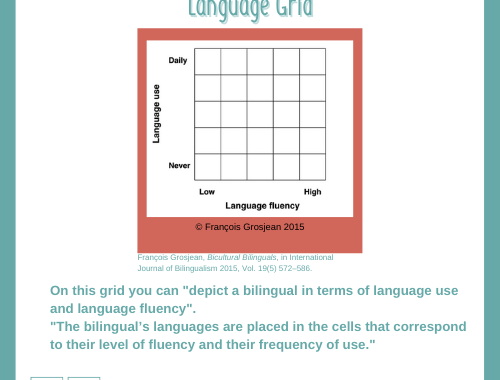
When the home language is not the dominant language
If you are a multilingual, is your home language your most dominant language? Something that surprises me when I read about language policies in schools and elsewhere is, that it is always assumed that people – children and adults – are most proficient, i.e. most fluent, in their home language. This might be correct for […]
Continue reading