
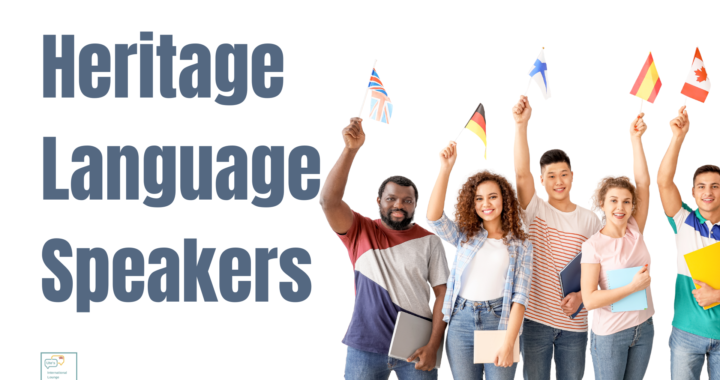
Heritage language speakers occupy a unique and often misunderstood position within multilingual societies. In many parts of the world, millions of children grow up hearing one language at home while becoming educated and socially integrated through another. These individuals are frequently described as “heritage language speakers.” Yet despite the term’s widespread use, there is no […]
Continue readingCategory Archives: Third Culture Kid
The Voice and the Self: How Accent Shapes Who We Are
After exploring how accents are perceived, evaluated and adapted, a final question remains: Why does all of this feel so personal? Accent is not just pronunciation. It is your linguistic biography. Among all features of language, accent may be the most intimate. Vocabulary can be learned from textbooks, grammar can be practiced and […]
Continue reading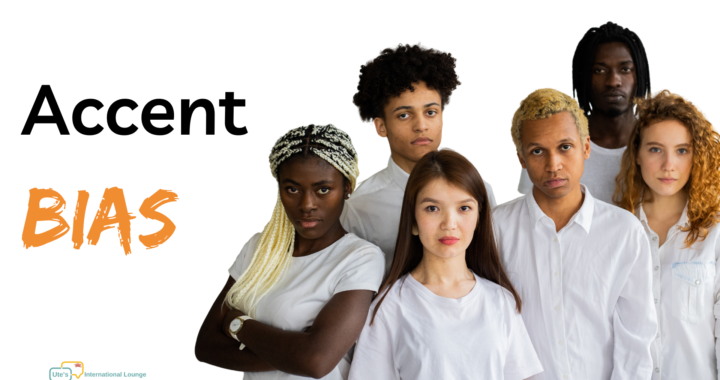
Accent Bias: How We Judge Voices Before We Understand Them
Have you ever wondered what happens in the moment right after understanding becomes difficult?In my article From ‘Zoning Out’ to Understanding: Rethinking Communication Across Accents, I explored what occurs when listeners ‘zone out’ while hearing an unfamiliar accent. This moment is often described as a problem of comprehension. But it rarely ends there. When understanding […]
Continue reading
Language, Shame, Guilt and Anxiety: When Speaking Hurts
When we make a language mistake, we may feel uncomfortable. This discomfort can be productive. It can lead to reflection, correction and even growth. But sometimes what emerges is not discomfort, it is shame. And sometimes it is anxiety or guilt. These experiences are related, but they are not the same. Language Guilt and Language […]
Continue reading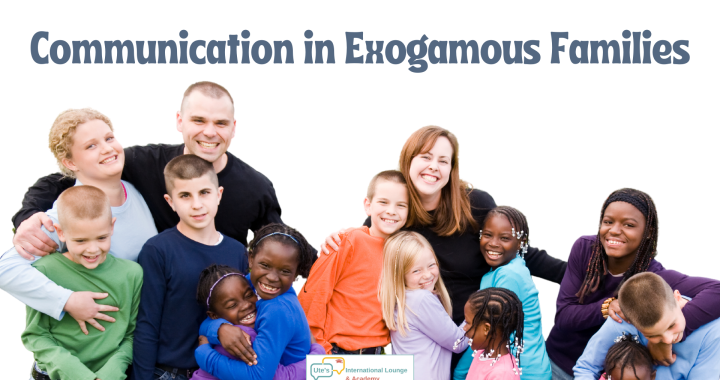
Communication in Exogamous Families
Every international family is unique. There are many different kinds of international families, when you read about them. Some partners come from the same country or share the same language and citizenship, others are from different countries, ethnicities and speak different languages. In exogamous multilingual families, partners come from different cultural and linguistic backgrounds and experience unique dynamics in communication.
Continue reading