
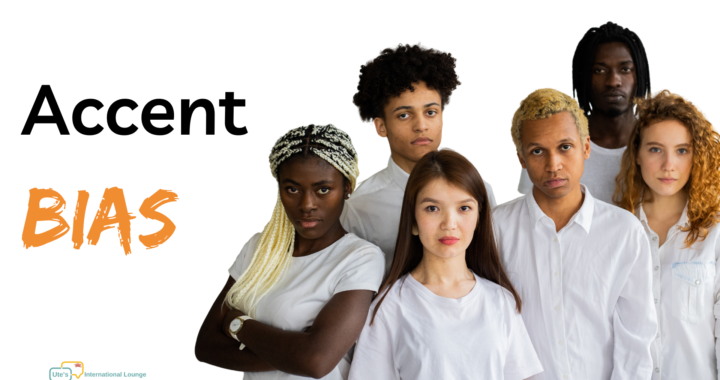
Have you ever wondered what happens in the moment right after understanding becomes difficult?In my article From ‘Zoning Out’ to Understanding: Rethinking Communication Across Accents, I explored what occurs when listeners ‘zone out’ while hearing an unfamiliar accent. This moment is often described as a problem of comprehension. But it rarely ends there. When understanding […]
Continue readingAuthor Archive: Ute Limacher

From ‘Zoning Out’ to Understanding: Rethinking Communication Across Accents
Communication across accents is often treated as if it were the speaker’s responsibility alone. It is not. From the very first moment, communication is a shared responsibility. And when listeners “zone out” after a few seconds, this is rarely just about how something is said. It is about how communication is co-constructed or fails to […]
Continue reading
Language, Shame, Guilt and Anxiety: When Speaking Hurts
When we make a language mistake, we may feel uncomfortable. This discomfort can be productive. It can lead to reflection, correction and even growth. But sometimes what emerges is not discomfort, it is shame. And sometimes it is anxiety or guilt. These experiences are related, but they are not the same. Language Guilt and Language […]
Continue reading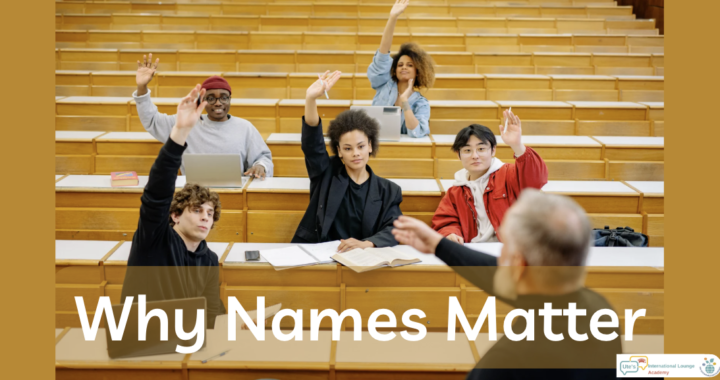
Why Names Matter: Accurate Pronunciation Signals Inclusion and Respect
Practical strategies for educators, multilingual families, and policymakers to honor identity through name pronunciation.
Continue reading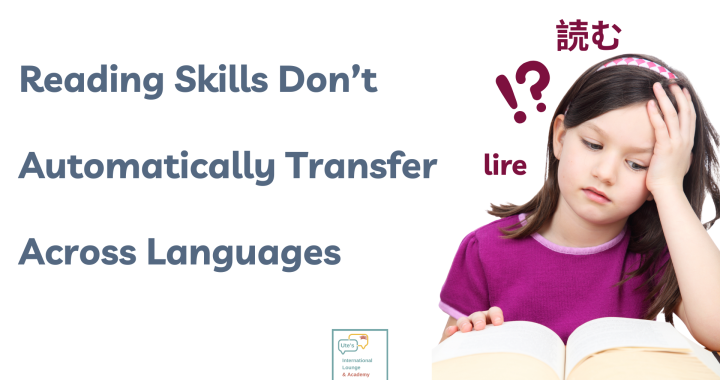
Why Reading Skills Don’t Automatically Transfer Across Languages
A persistent belief in literacy education is that “once a child can read, they can read any language”. Decades of cross-linguistic research show that this assumption is misleading (e.g. Seymour, Aro & Erskine, 2003; Share, 2008). The way we learn to read is deeply shaped by the architecture of writing systems. Alphabetic scripts like English, […]
Continue reading